Kendal Museum
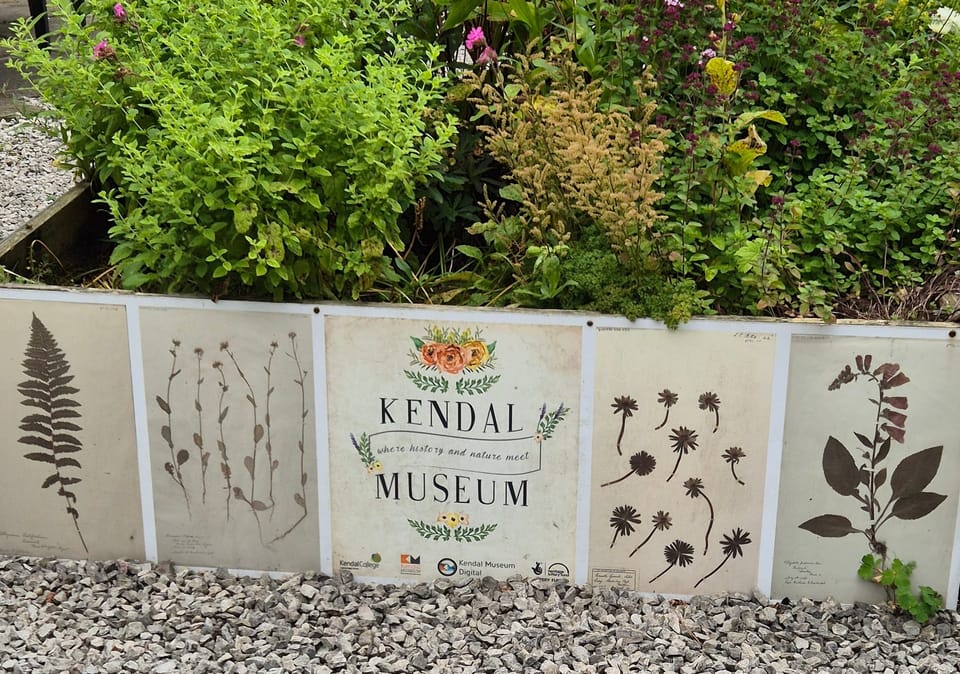
Before even going to this town, I was told that the Museum was small and not that great so my expectations were fairly low. What I found however, was not a Museum pandering to the general public but one that embraced the objects they had, was passionate about the area they were from, and was for the locals, in more ways than one.
The Museum is small and a little out of the way so it would probably be pretty easy to miss it however the town is very good at its signage. Most places in the middle of town you go, there are street signs pointing out the way to major points of interest, one of which being the Museum.
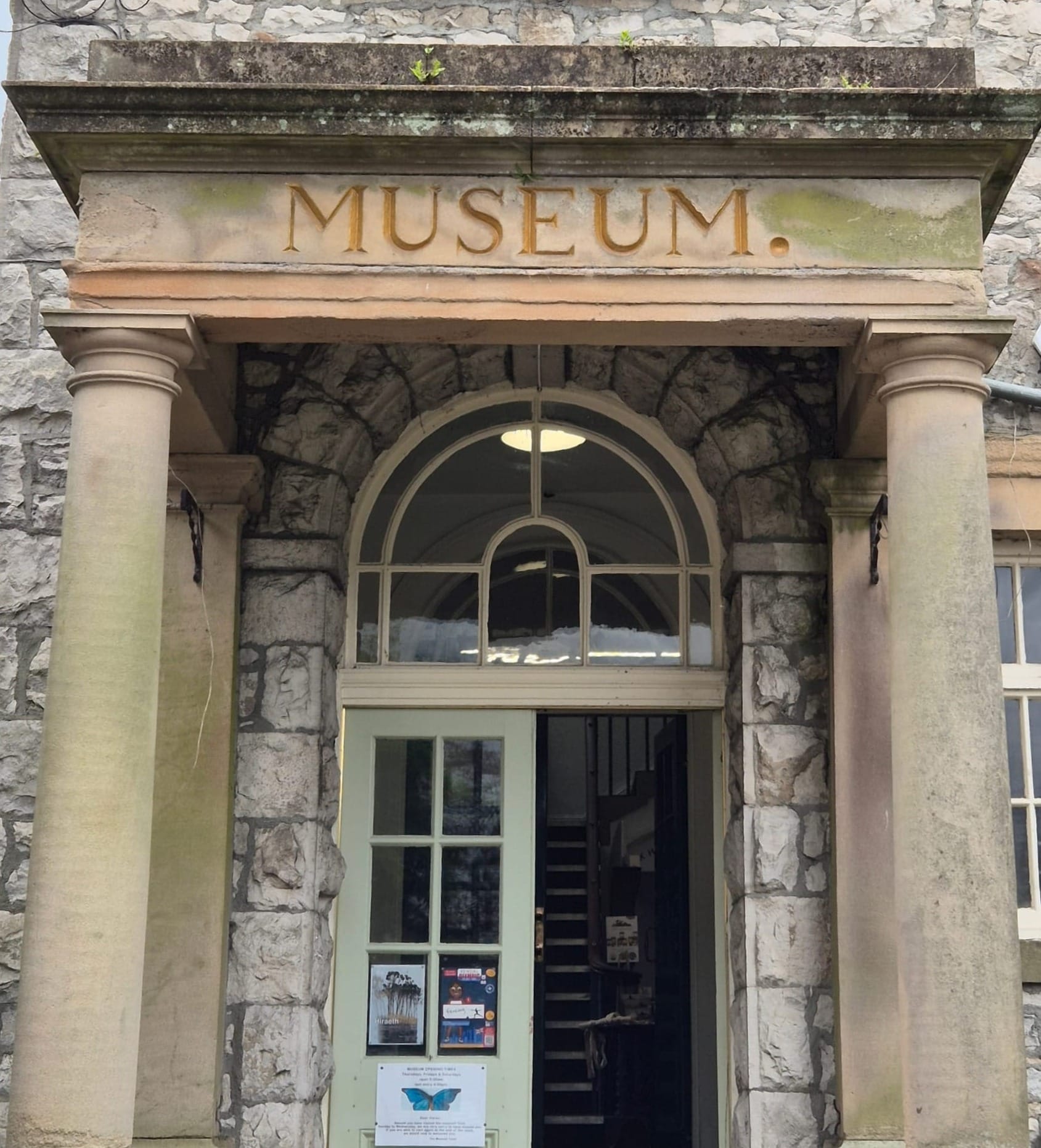
The entrance is lovely, with some coffee tables and a garden outside. Once inside, I immediately understood what had been told to me. The main room looked cluttered, and you walk straight into a gift shop style area with a random assortment of toys and other goods. As I learned afterward, most of the products on sale (excluding the toys) were made locally therefore supported local craftspeople.
Walking up to the desk, I asked for a ticket and was asked if I was local which I am. Following this I found out my entrance ticket for the day had just become my membership for a year. For a small Museum, initially this didn't seem like such a big deal although a nice surprise. Little did I know...
The staff were very nice and gave a rundown of the Museum. On the main floor was the primary collection which was pruposely reminiscent of the Victorian Cabinets of Curiosity. This helped give a bit of context to the cluttered environment. Upstairs was an exhibition on Curlews, a local bird that was endangered. Downstairs was an exhibition labelled Hiraeth by a local artist. These temporary exhibitions do change and that's when I realised I might be using my new membership for more than just the day. In a gallery just off the main area was the World Wildlife Gallery. I was then given a warning that the Gallery area was full of taxidermy and might not be for everyone, a warning I appreciated as I'm not a fan and so determined not to go in there.
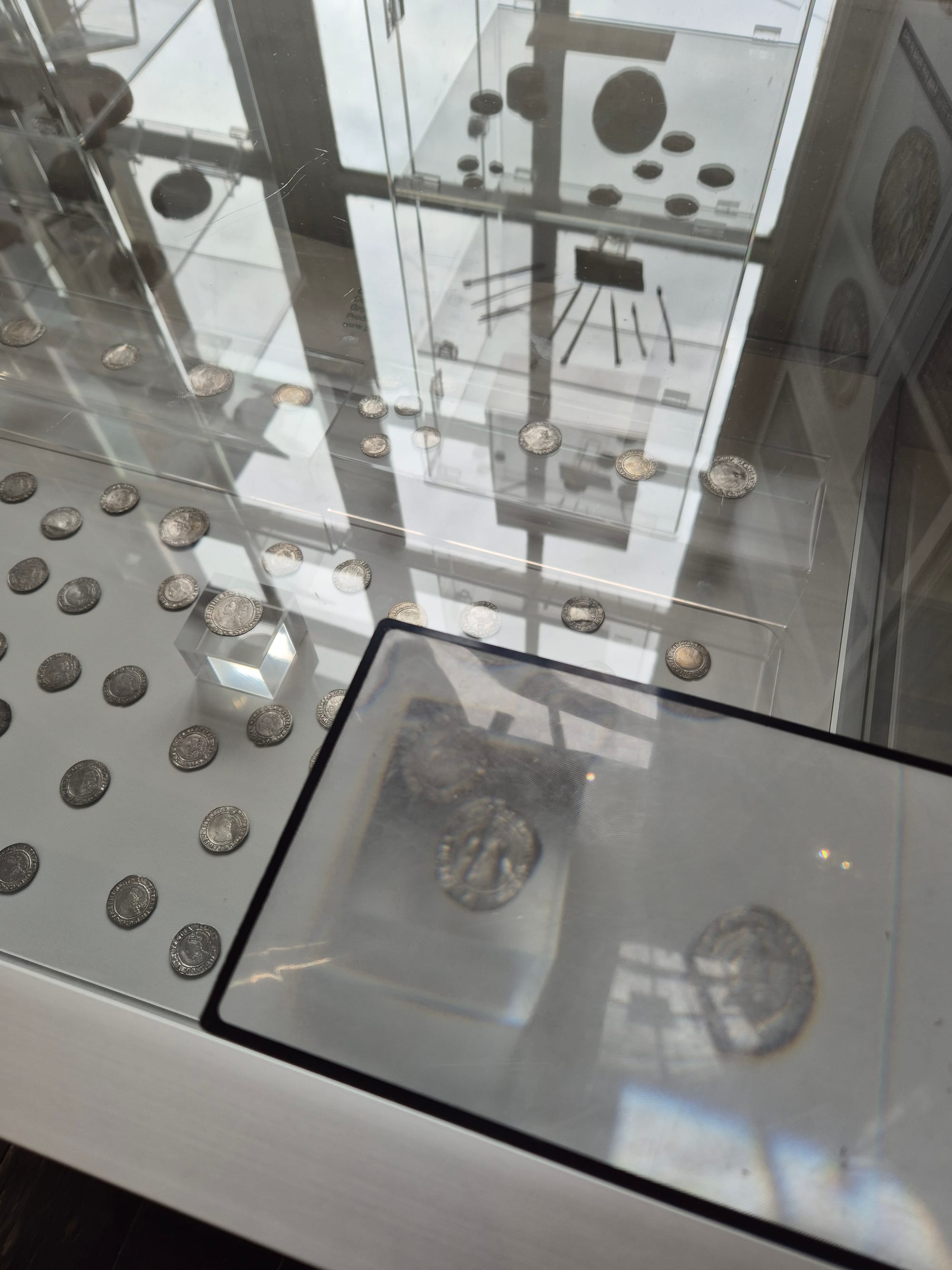
Walking around the main area, it is absolutely organised chaos. The room develops mostly chronologically but also goes up and down in columns so it's not always entirely clear where to go next but it is generally pretty clear enough if you care to look. I was immediately drawn to the Roman glass cases, showing off coins and oil lamps, objects I am fairly familiar with and so find myself gravitating towards in most museums. Something that was different however, was the movable magnifying glass avaiable to give viewers a better look at the coins in the case. This magnifying glass was in fact plastic and probably not the msot expensive but it was effective and a nice accessibility to feature. The next thing I noticed was the booklet available on top of the cabinet. Initially it looked like someone had just left it there but it mentioned the coins so I picked it up and was very pleasantly surprised and curious. Inside was a mini-study about coins and imagery, an introduction to numismatics focussing on the coins in the collection.
The numismatic booklet was not the only one I found. Further down from the Roman section was the remains of a wooden boat. This boat was what flipped my opinion about this Museum completely. There was a laminated page with the object collection number and a background on the object. It explained who found the boat, when, and what certain charecteristics of the boat tell us about when it might have been made and by whom. The first truly interesting part I found to this was the explanation of what the process was when it came to creating a description for the boat. The page explained who had been consulted, who made the decisions, and what tests were undertaken to gain as much accurate information as possible about the object that been in the collection for decades, but never shown. It also stated what the plans were for future research.
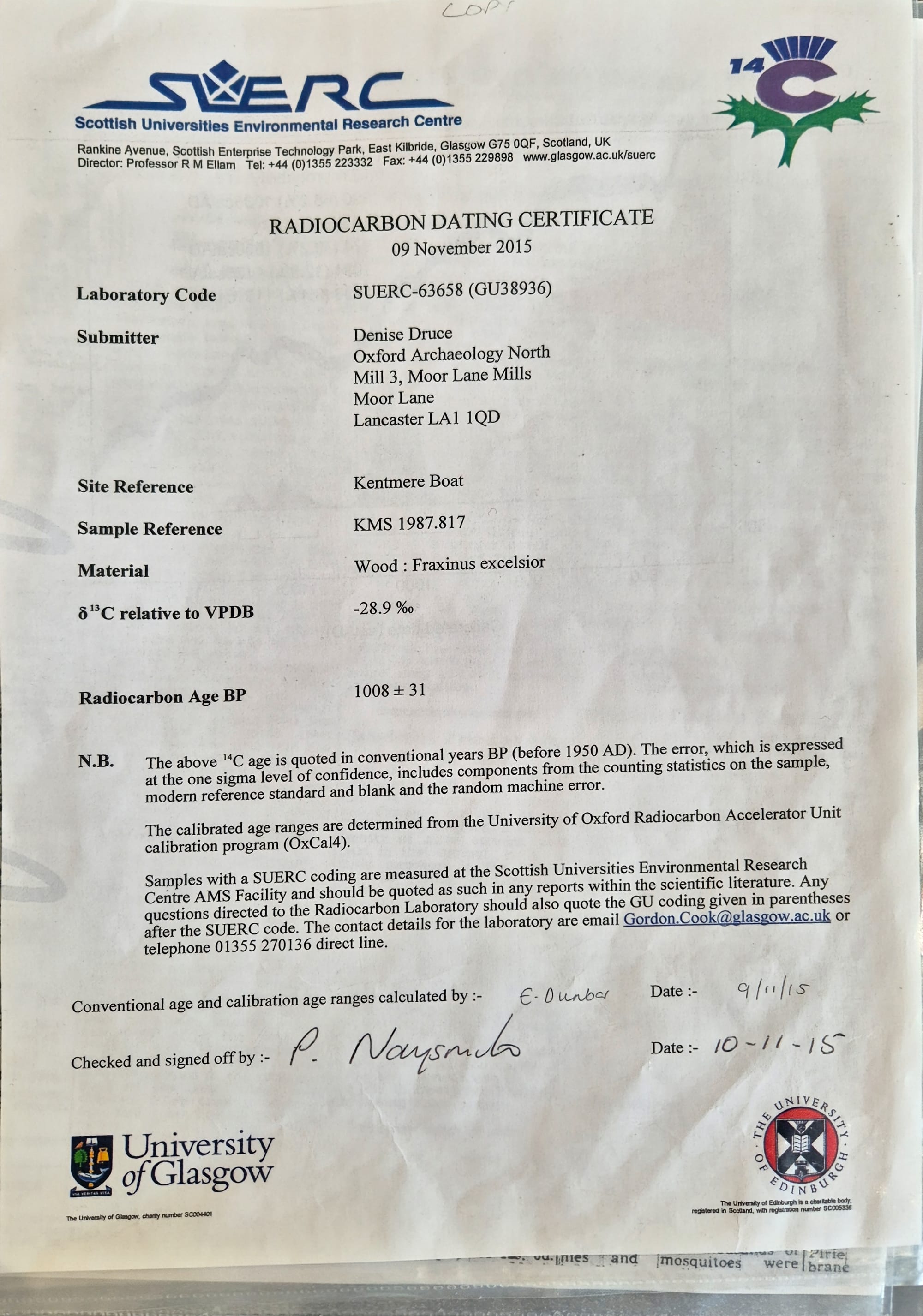
By itself, I found this single page very personally exciting, as it felt like it was information beyond the typical and perhaps focussed on people who were interested in museums, curatorship, and conservation. Then, I found the next booklet of information, about the same boat I was already impressed with. This booklet had some of the same information as the booklet but with greater depth and also with the radiocarbon dating certificate. For someone passionate about museums and eager to learn more about their processes, this was my equivalent of striking gold. I was so surprised and very engaged.
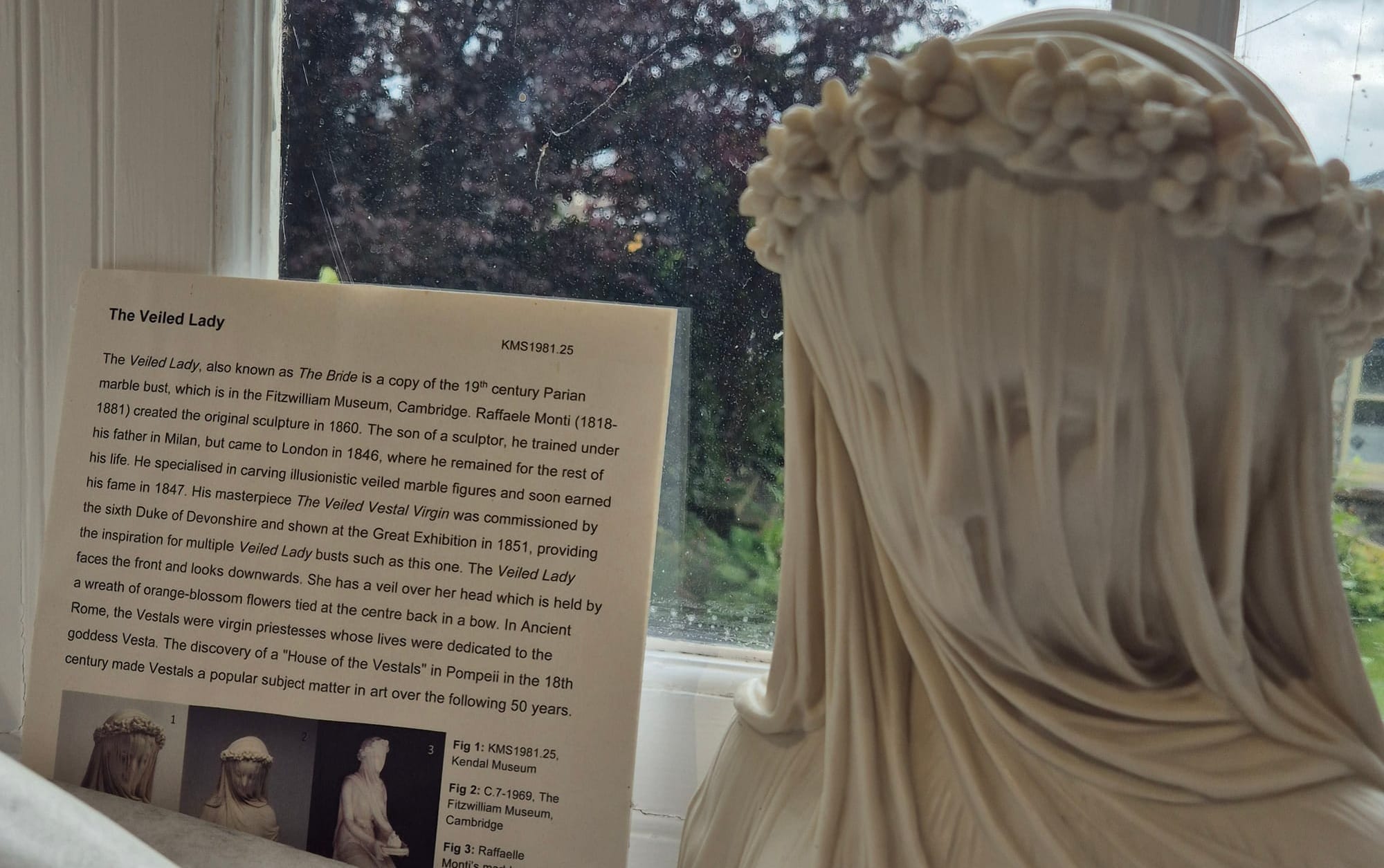
Through reading a few more booklets around the Museum, I figured out that the Museum must have some kind of partnership with the local college, and it was their students that were putting togetehr these packets of information. It was clear that some of the objects coming through had very little proveable provenance but by deduction and object comparisons, these students along with the curators at the Museum were able to put together well-reasoned, accurate signage. That said, none of this stopped me from laughing when a placard of information on Egyptology was in Papyrus font – always a classic with me.
The room continued on, with 2 specialised spaces at the back on geology. As I'm wont to do, I walked through the spaces which had a beautiful array of rocks and good information both digital and written, but I didn't linger - sorry to any geologists. I also looked but didn't spend too much time on the object cases from about 1700 upwards. There were some nicely presented uniforms, some Victorian objects that were interesting to look at, and other knick knacks that again, I can look at but I'm not too interested in the details of. One of the best things about Museums, you can move on when you want (unless you're in a tour) and linger at what you like.
There are some seats inside as well if you want to sit down and have a coffee, as was clear from the people chatting with the receptionist who I think was a volunteer. I headed up the stairs but only got a couple steps up before I was drawn in to the history of Kendal Museum. Across 2 large signs, the history of the Museum was detailed. The original Kendal Musuem was from 1796 and included taxidermy and lithic collections. After the items were dispersed, the Kendal Natural History and Scientific Society formed a Museum with some objects that had been in the old collections although, as the sign pointed out, they had only been recorded with the donors name so their connection to the original Museum was suppositional.
Several well-known figures were connected to the Museum over the years, including the Lake District-famous William Wordsworth and Professor Adam Sedgwick who was purportedly the founder of modern geology, further explaining the focus rooms on lithics. The Museum went through a few more changes, including receiving a donation leading to the Wildlife Gallery, before settling in its current building which used to be a woolshed and was donated to the town.
After the rundown of the Museum's history came the history of Kendal and connections that I had no idea existed and even though they are tenuous, it was a nice surprise. Firstly, Kendal and the Lake District have connections to King Arthur, as part of the Cwmry tribe which etymologically led to Cumbria and Cambria. Then, being on the northern edge of the kingdom, the region was fought over by Vikings and the Scottish kingdom of Strathclyde. King Arthur has always been a pet passion of mine and more recently the kingdom of Strathclyde is one that I find infintely interesting. The information that was gathered for these signs considered archaeology, etymology, cross-culturalism, and historical events which overall created a nice chronology with plenty of good historical information. The last unexpected connection presented by the placards was that of the Parr family, who were significant in the area from the 1380's, owning the local Castle from then. Katherine Parr, the surviving wife of Henry VIII, most likely did not spend time there but the connection and the possibility did exist.
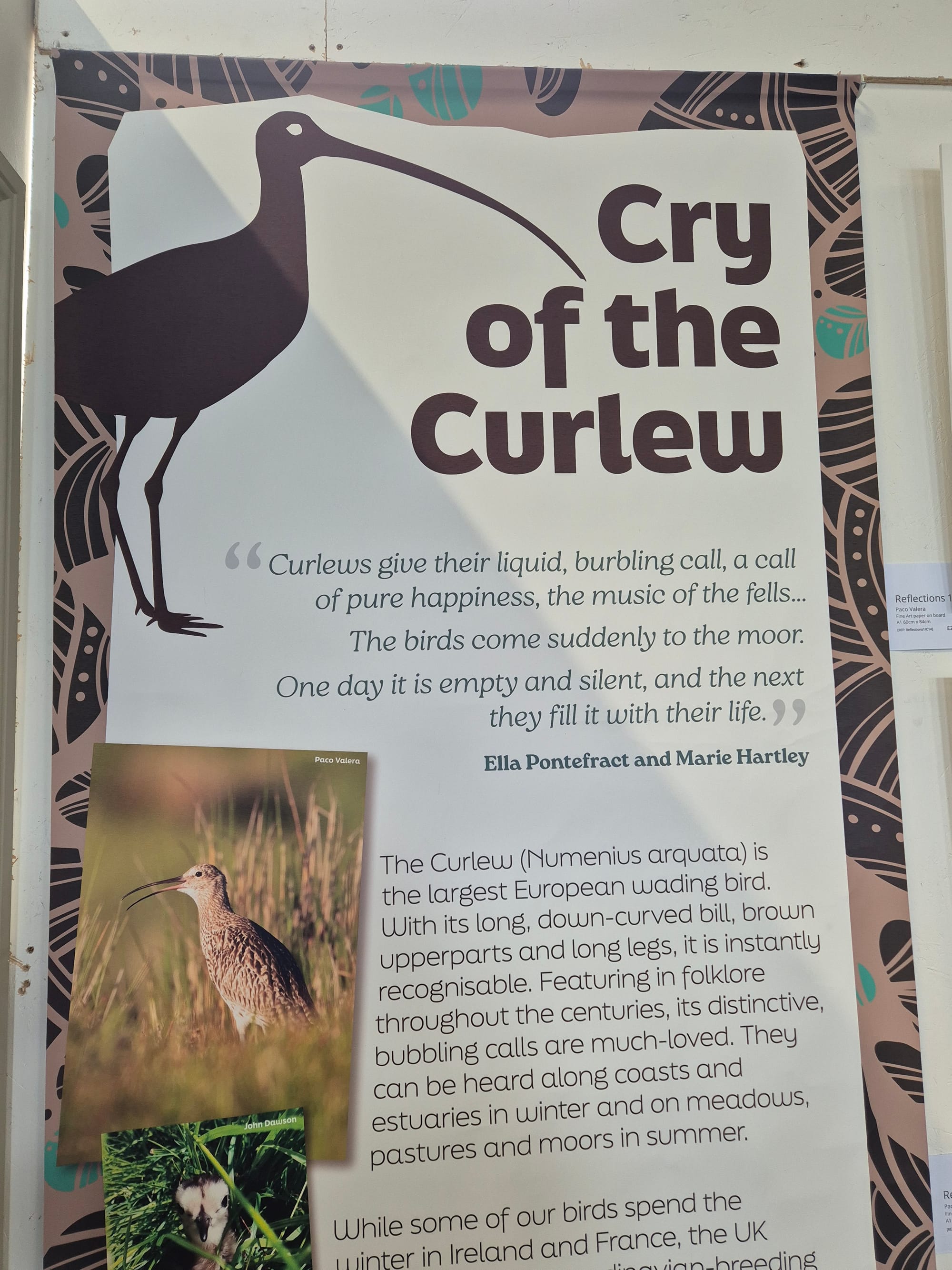
Finally making it up the stairs, I was introduced to a large space with photography on the walls of Curlews, a cute little bird reminscent of a kiwi a little bit, in terms of its beak to body ratio. Apparently the exhibit is to help raise awareness of habitat degradation endangering the birds. Along the outside walls was professional photography and poems, a video, and information. In the middle of the room were pictures and poems made by the local school children. Again, the connection between the Museum and the local community was obvious. There was also a sign saying "Help us curate our wildlife!", encouraging visitors to engage in writing a label for some of their specimins. I just kept getting more impressed with how this small Museum was working to engage the locals but also use those locals as resources to help maintain and improve.
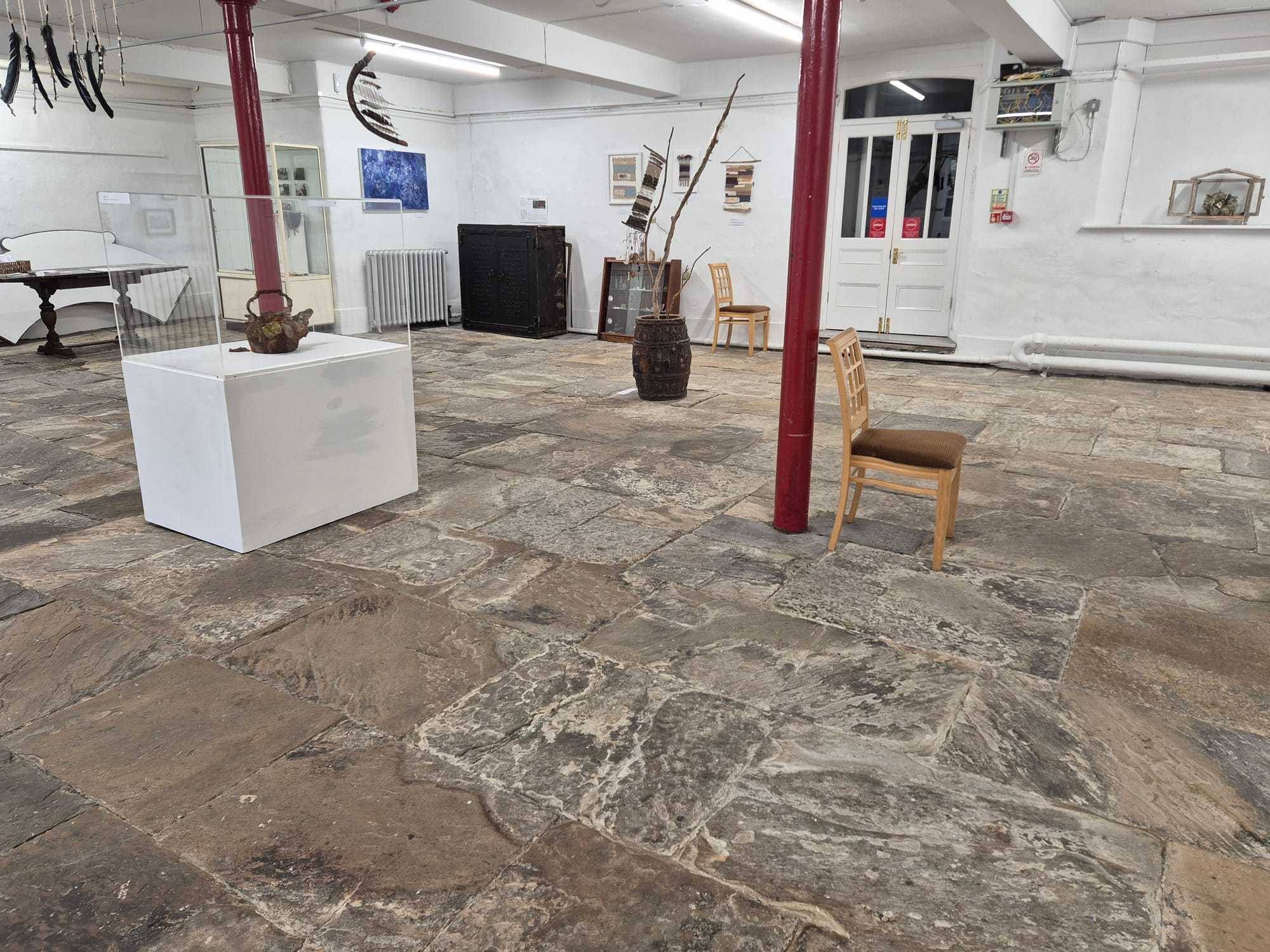
Downstairs was the Hiraeth exhibit. It was a mostly white, empty room but that highlighted the objects of the exhibit. The local artist collected wool, sticks, and other objects from along their local lakes and rivers and created works of art from those pieces. Once again, it was the small things that impressed me here. The first was the opportunity the artist had taken to explain their family history, exploring the women of the family leading to them and their art. The second was the accessibility of the room. Even though the Museum is overall quite small, chairs had been placed around the room for people to sit on. This could be if someone is tired or if they want to look at the artwork for a while, or it could be both, but either way it's an inclusion that I've started keeping an eye out for.
Along the walls outside of the galleries was also some information about Alfred Wainwright, renowned cartographer and honourary curator of Kendal Museum from 1945-1947. He lived and worked around Kendal for a large portion of his life.
I decided to have a look in the World Wildlife Gallery even though I was pretty sure I wasn't going to like it. I wanted to test my ability to judge something when I knew I wouldn't like the content. To be perfectly honest, I was unhappy and pretty creeped out with the room but I was genuinely interested to see how it was displayed and what might engage others. The gallery was laid out logically, with animals grouped in continental collections - Asia, North America, Australia, etc. and those collections seemed reasonably wide. Above these collections were other taxidermied animals, mounted like a hunting lodge. In places there was some information about how the animal came to be there, such as the polar bear the Museum is quite proud of. Professionally, I would say the gallery was well-laid out, had acceptable information about the animals themselves, and some additional information leading to the possession of the taxidermy. There were also speakers around the room, giving a gentle ambience of bird-calls and grass swishing, helping give the natural history feel to the place. Personally, I really struggled with the room and understanding the appeal.
Overall, not taking the Wildlife Gallery into consideration, I really enjoyed this Museum and was genuinely surprised by the information it offered, and the thoroughness it showed in covering multiple methodologies in gathering and presenting the information. Speaking to the staff, the connections the Museum has with the local college and community seems to be really effective and useful for a relatively small operation. It was definitely worth it.
TIME: I spent about 2 hours here but depending on if you're interested in the exhibitions, specialty rooms, or wildlife, this could be significantly reduced or increased.
ABILITY: I did see some disabled access areas so I do believe that wheelchairs can access at least the main floor and wildlife gallery. I believe there was electric stair chair access as well for the upper/lower but I can't quite remember.
FACILITIES: Cafe, Toilets, Gift Shop. Staff at the desk available for questions.