Kendal Castle
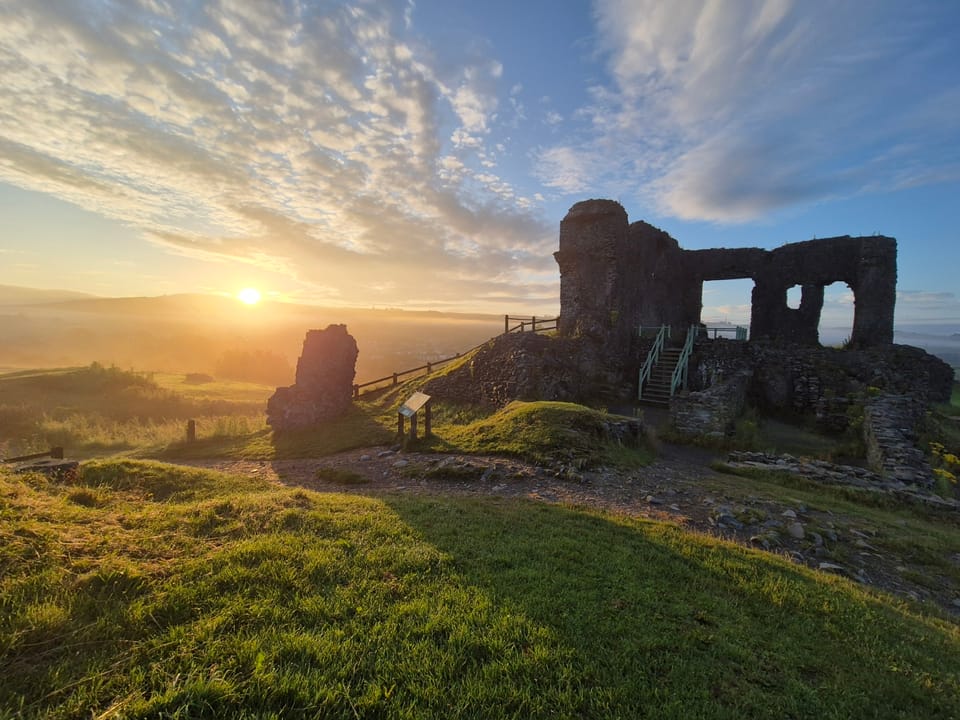
Kendal sits in the Lake District and as such has enjoyed a borderlands position. The lord of Kendal, Gilbert Fitz Reinfred, wary of attack from the north commissioned a wooden castle with associated earthworks around the year 1184 on top of the local drumlin, formed out of a glacier that had retreated. It replaced the old defensive place at Castle Howe. The Castle was made into stone by Gilbert's son William in 1240 after it had been taken from Gilbert for participating in the barons rebellion leading to the signing of Magna Carta. The Castle never had to face attack.
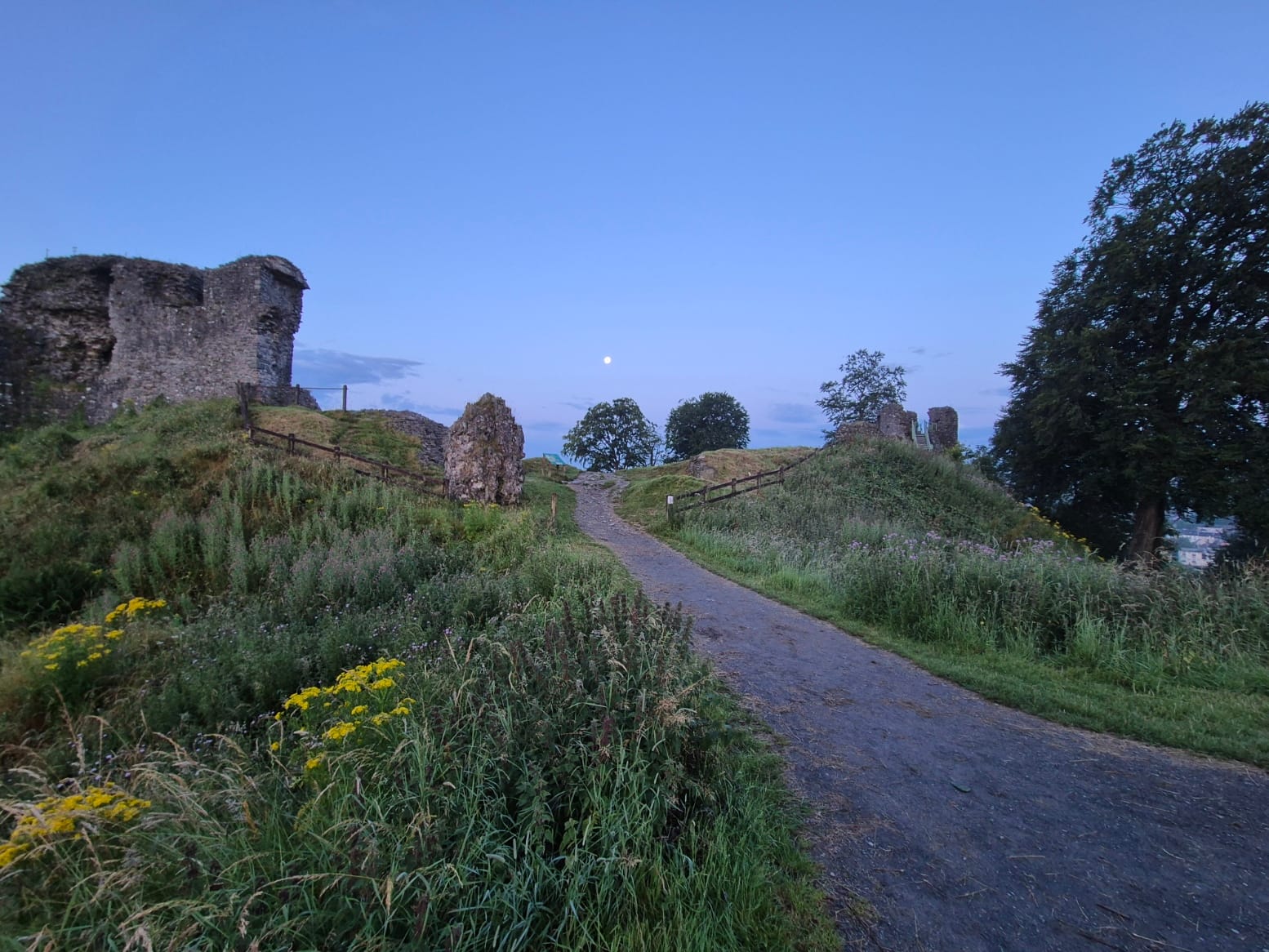
The town of Kendal itself was attacked however the Castle with its high position was left alone or surrendered and not directly attacked. Scottish raids were undertaken in 1189 by Duncan, Earl of Fife then by the more well-known Robert the Bruce in 1316 and 1322.
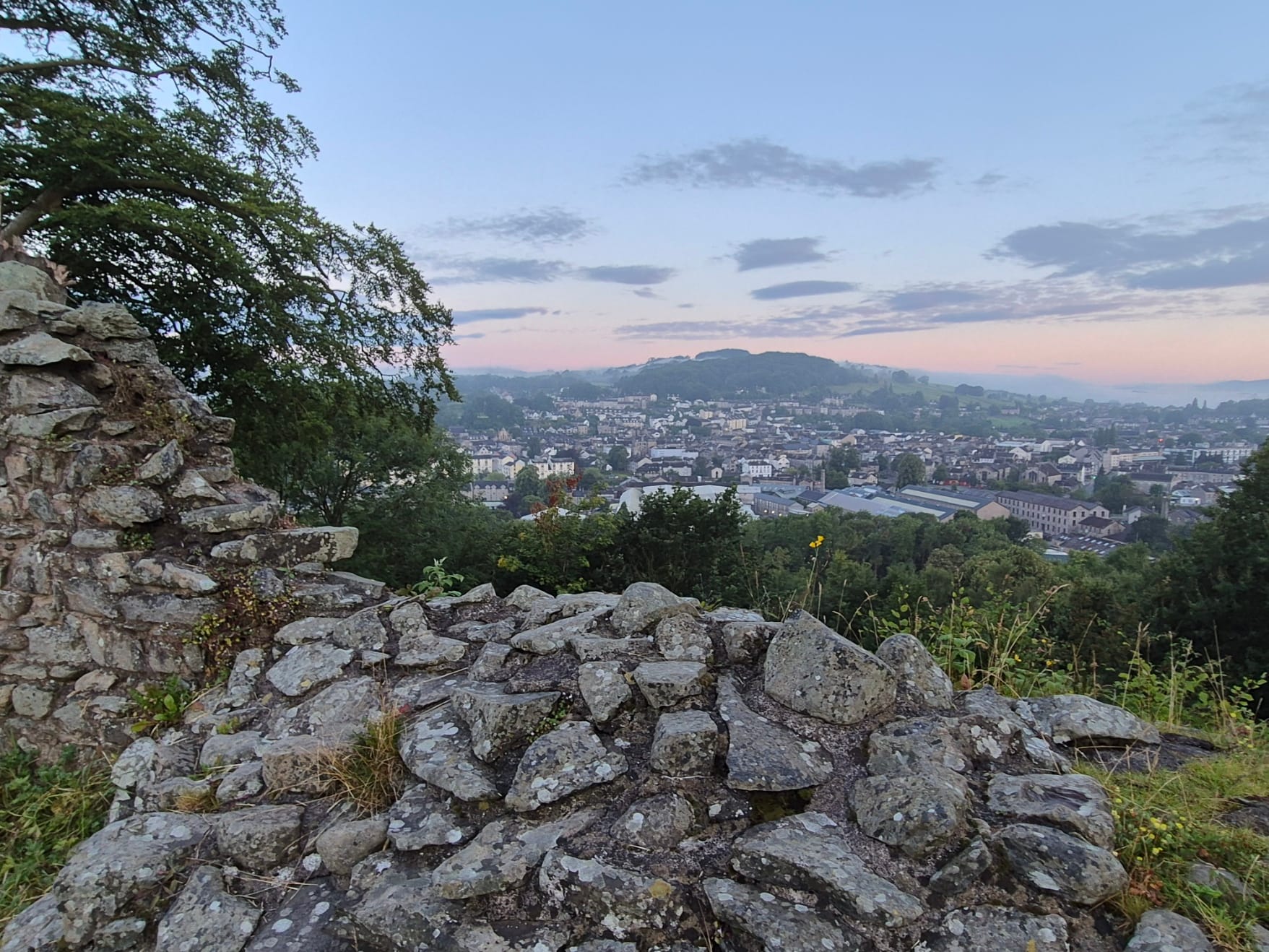
The final resident baron of Kendal Castle was Sir William Parr, a member of Edward IV's court. He was responsible for most of the renovations undertaken at the Castle but following his death the castle fell under stewardship. Consequently, when William's granddaughter Katherine Parr became Henry VIII's 6th Queen, she did not reside in Kendal nor is it known if she had ever even seen the historic family residence.
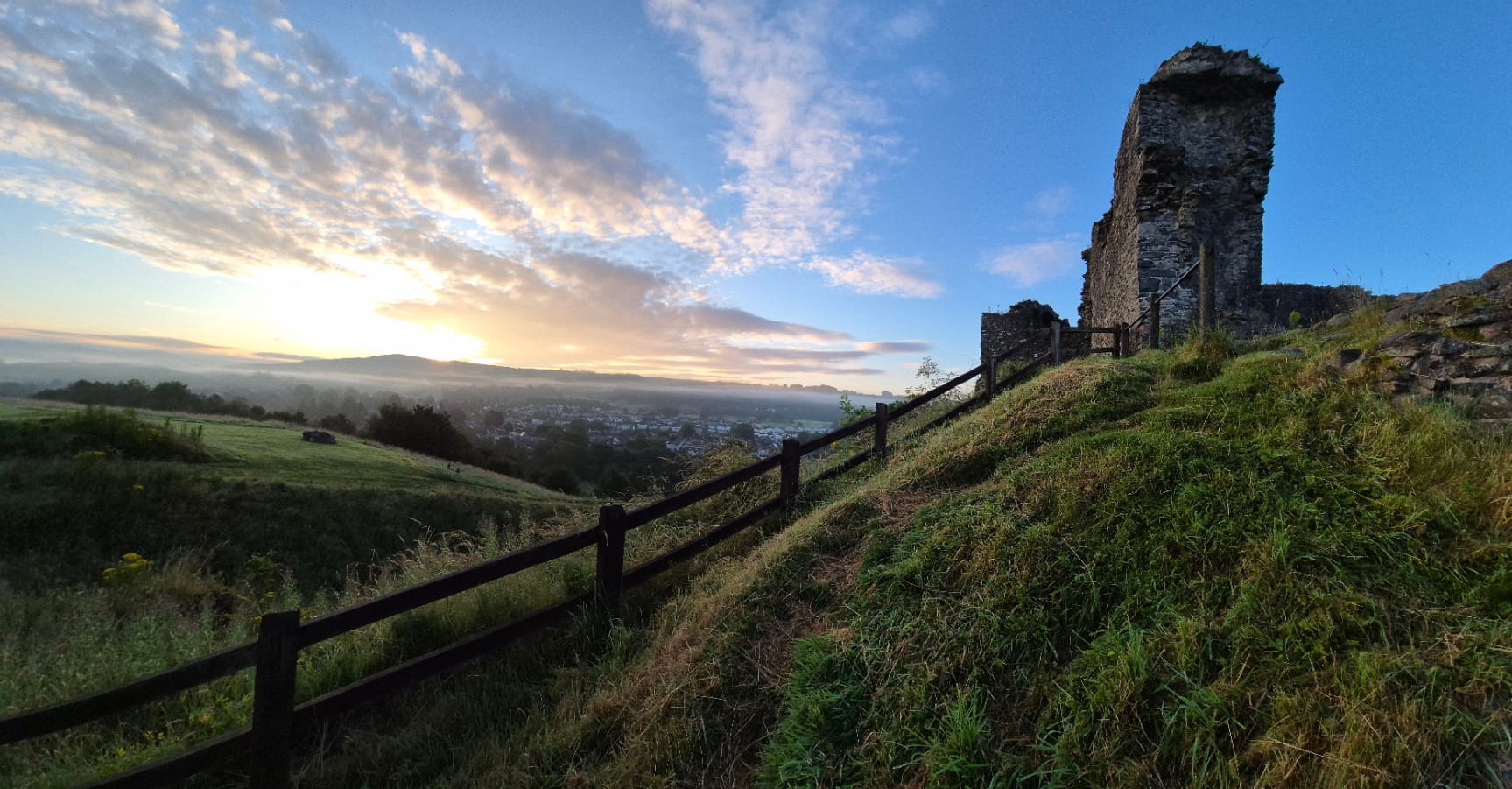
Although the Castle no longer displays its grandeur, signage around the site encourages the visitor to imagine what it would have been like by looking at the skeleton in front of them and describing what is missing. For example, a sign looking upon the old Manor Hall reads "...Stand on the first floor and imagine a space twice the size and over 10m high. The hall and the family and guest rooms had brightly decorated walls, ceiling and floor tiles. Tapestries, rugs, wood panelling, massive fires and glazed windows kept everyone warm." The last was an apt addition to the description considering I was visiting pre-dawn and it was rather chilly even with my modern-day jumper.
The cellars and part of a staircase are evocative reminders of the functionality of the Castle - seeing where food and drink were stored and how the servants would have made their way unseen through the castle. What would have been the courtyard is now an empty green space and rather difficult to imagine being the hub of activity for the castle but again, the signage tries to help create the image. Further on the signage, and in an ongoing theme I'm finding in the UK, is just a little extra explanation of what the visitor is seeing. In describing the curtain wall, it is pointed out how there are visible differences in the sections of wall that would have been built at different times by various groups of workmen. Various artefacts found at the site have also been included on the signs, linking life in the castle to what you read but also tying in to the local Museum for which I have a separate post.
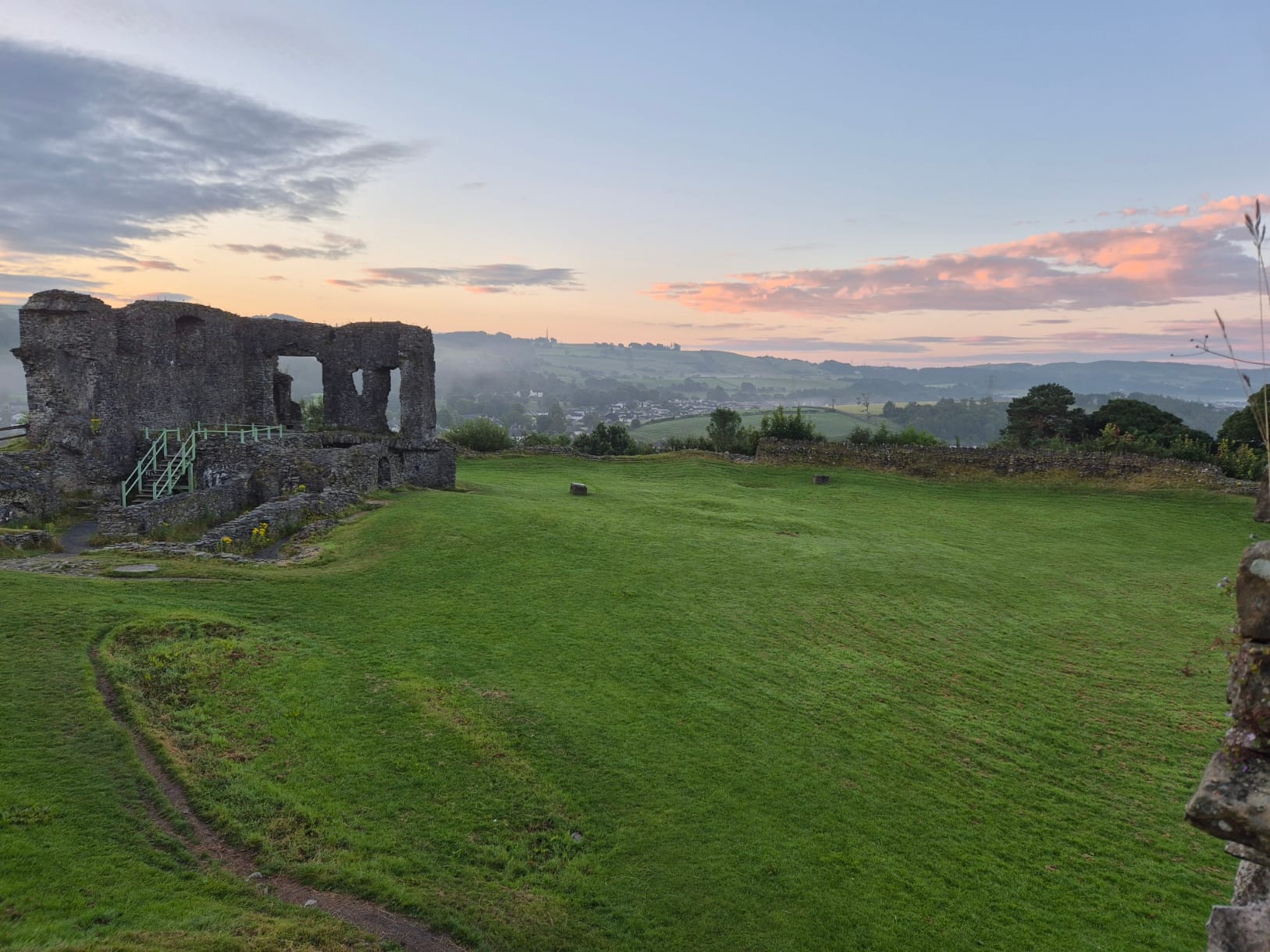
There is one tower remaining at the site where you can see what was likely a storage room underneath, then follow the spiral stairs up to an accommodation area with fireplace and a wonderful view. The current metal stairs are not where the original set was. There are some slight remains you can see from the room upstairs where you can also see the old garderrobe.
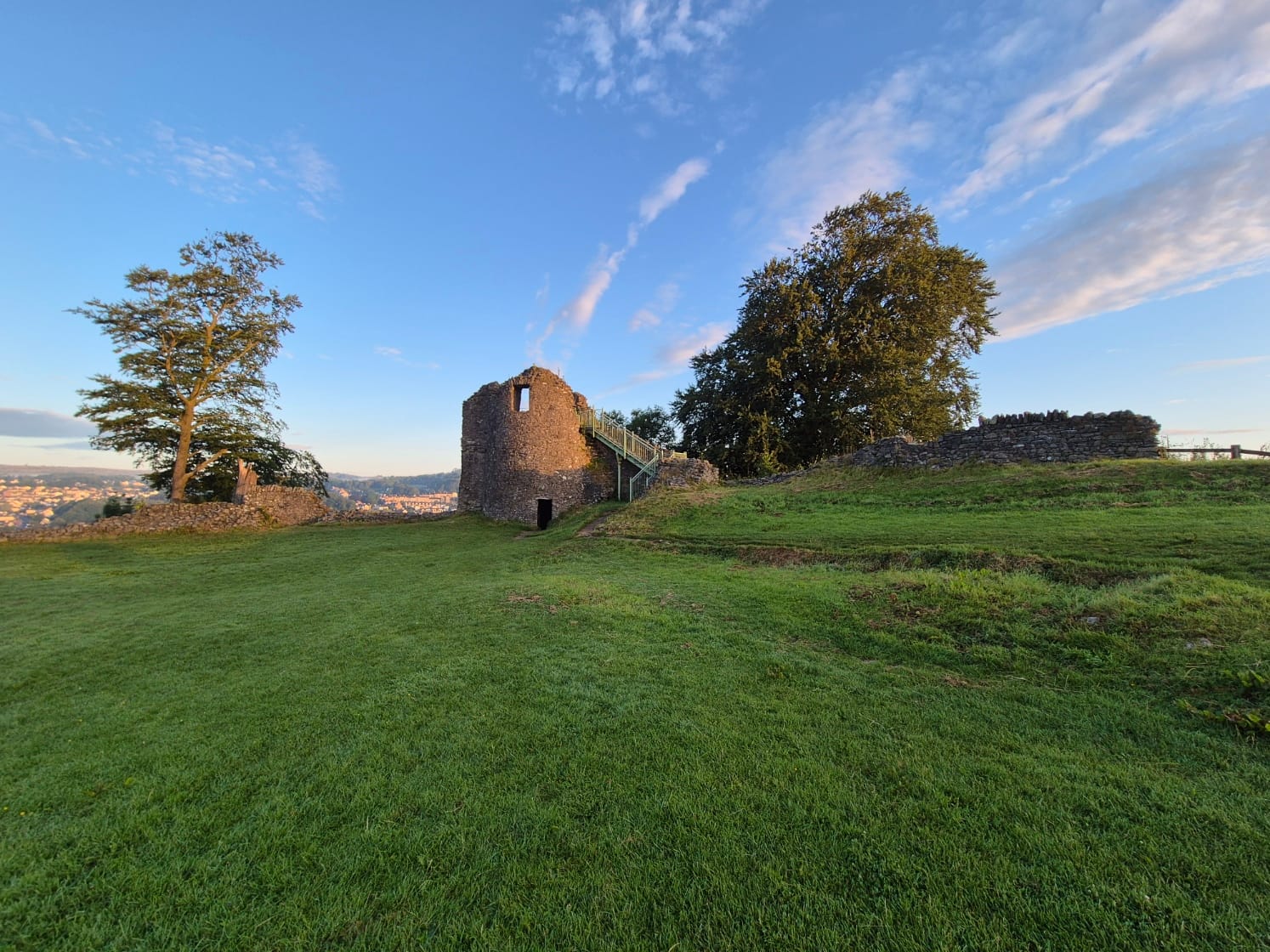
The Castle was given to the Crown in 1575 and the baronial rights passed to the Kendal Township at this time as well. A few years later, the site started to be plundered and the wood, stone, and other parts were sold off. Soldiers continued to use the Castle and grounds for camps throughout the 18th and 19th century, even across the 2 World Wars. Queen Victoria's Diamond Jubilee led to the Kendal Corporation buying the Castle for public enjoyment and it certainly seems like Kendal and its people keep a close connection to the site despite its wear and tear.
For a relatively destroyed site, the Castle has good signage but accessibility has been increased by the introduction of an audio guide, the link to which is on the first sign on site. One little disagreement I would have is that the link displayed, likely for brevity, is the generic Visit Kendal site after which you are on your own to navigate to the page on the Castle and then to the audio tracks page. If one isn't too well-versed with web pages it might not be too easy to traverse. Tracks go over the natural, baronial, architectural, and operational history of the site and are in short, under 5-minute segments. The audio is a mix of repeating the signs found on site and additional information that visitors might find interesting. I have linked the guide below if anyone is interested.
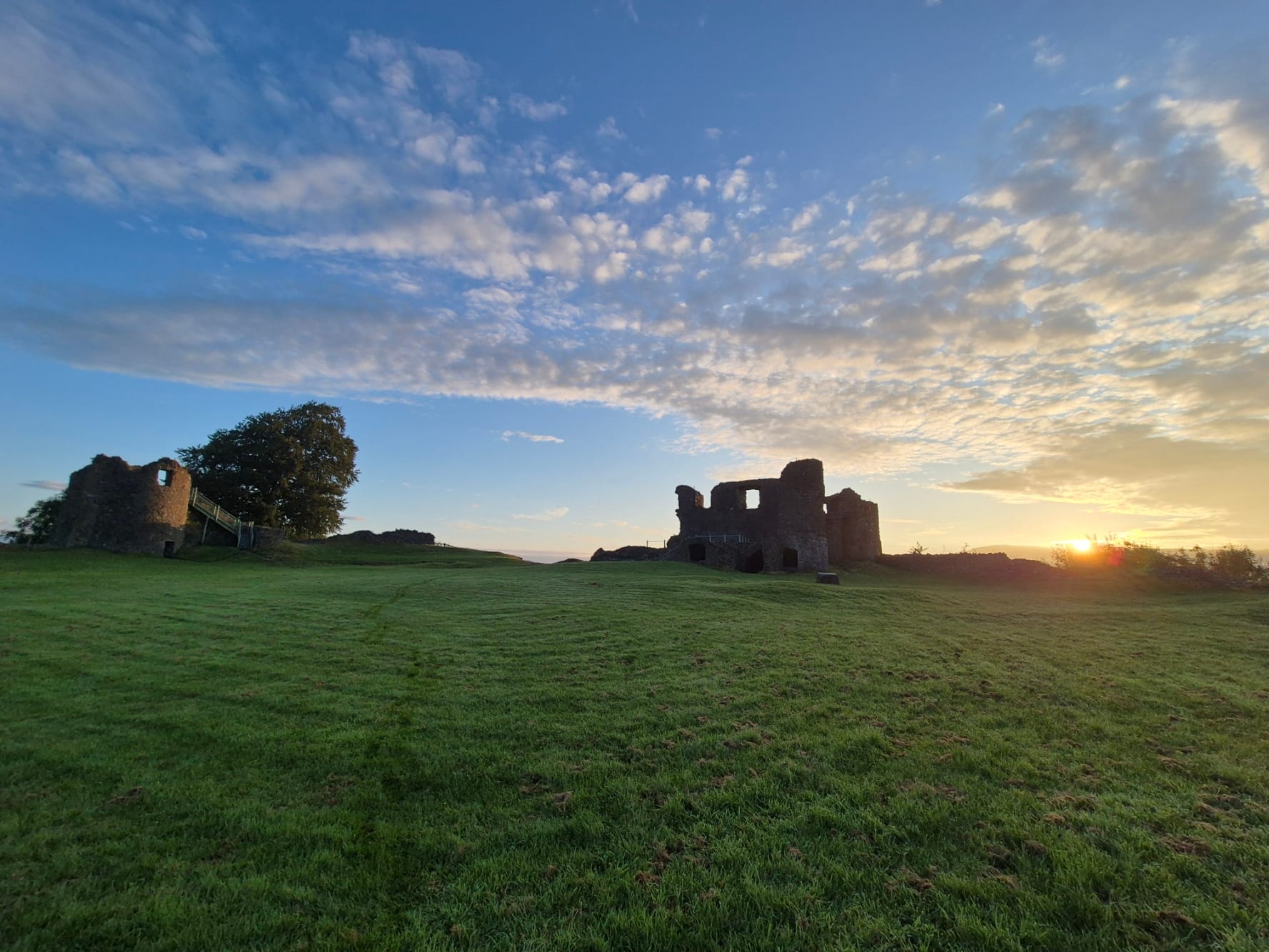
The site today is open and available 24 hours. This lends itself to picnics and nice days out however just as a quick note, it also means it is available for people to squat there as well. The site is well-maintained and there is little rubbish or graffiti but when I entered the north-west tower storage room, there was a sleeping bag set up. This is not to say that the site should not be visited or that people should not take shelter where they can if needed. As a very early morning visitor, I was there alone and on the chance that somebody else visits alone, it's worth just being aware that there might be some people resting there.
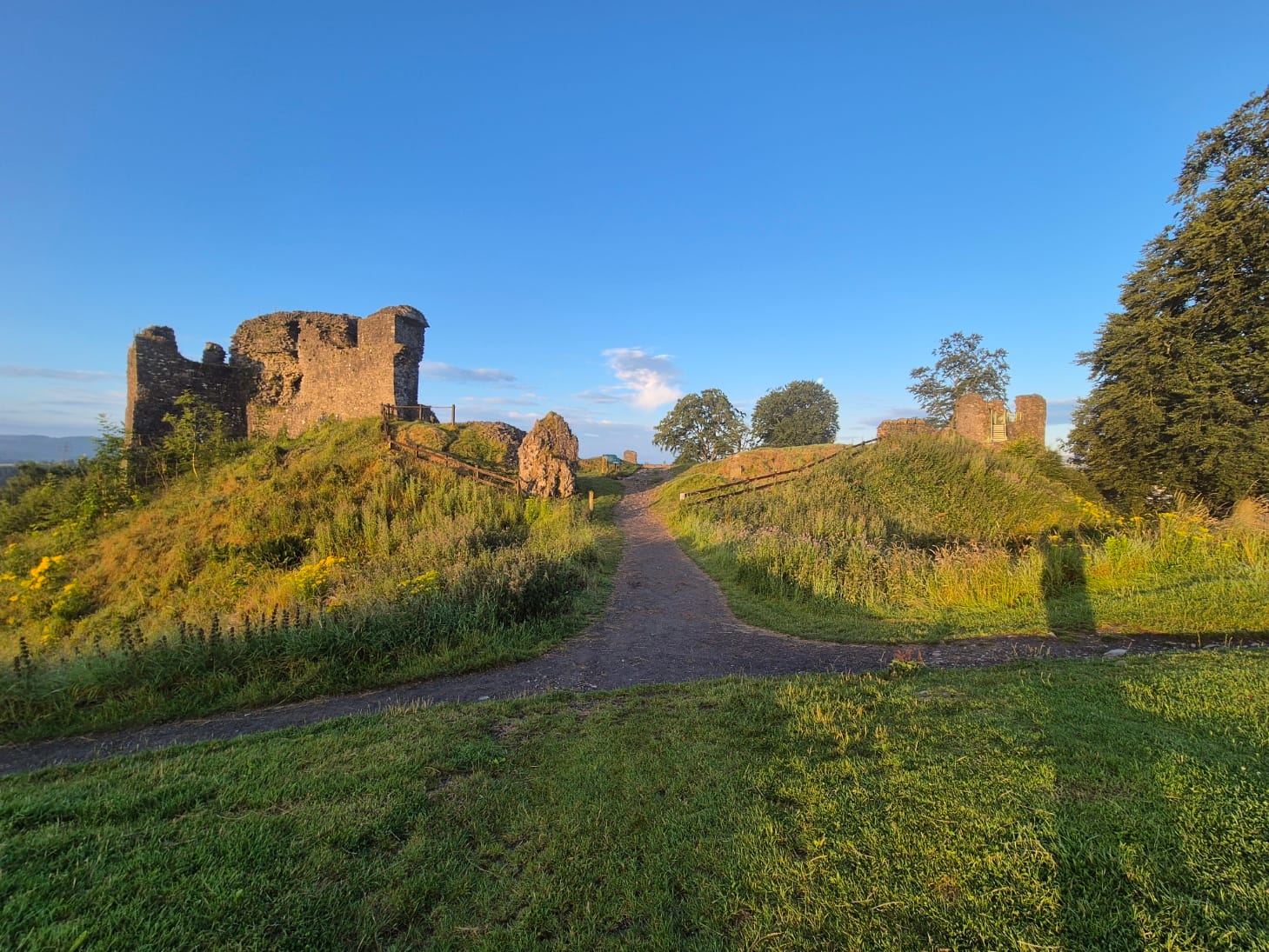
Visiting the site, it was obvious the pride that Kendalians took in having the Castle, its links to the Crown over the centuries, and its role in the overall history of the town. Combined with the visit to the Museum, the community spirit and heritage connections enjoyed by Kendal are really something to be admired and definitely something I will take with me going further into the heritage field.
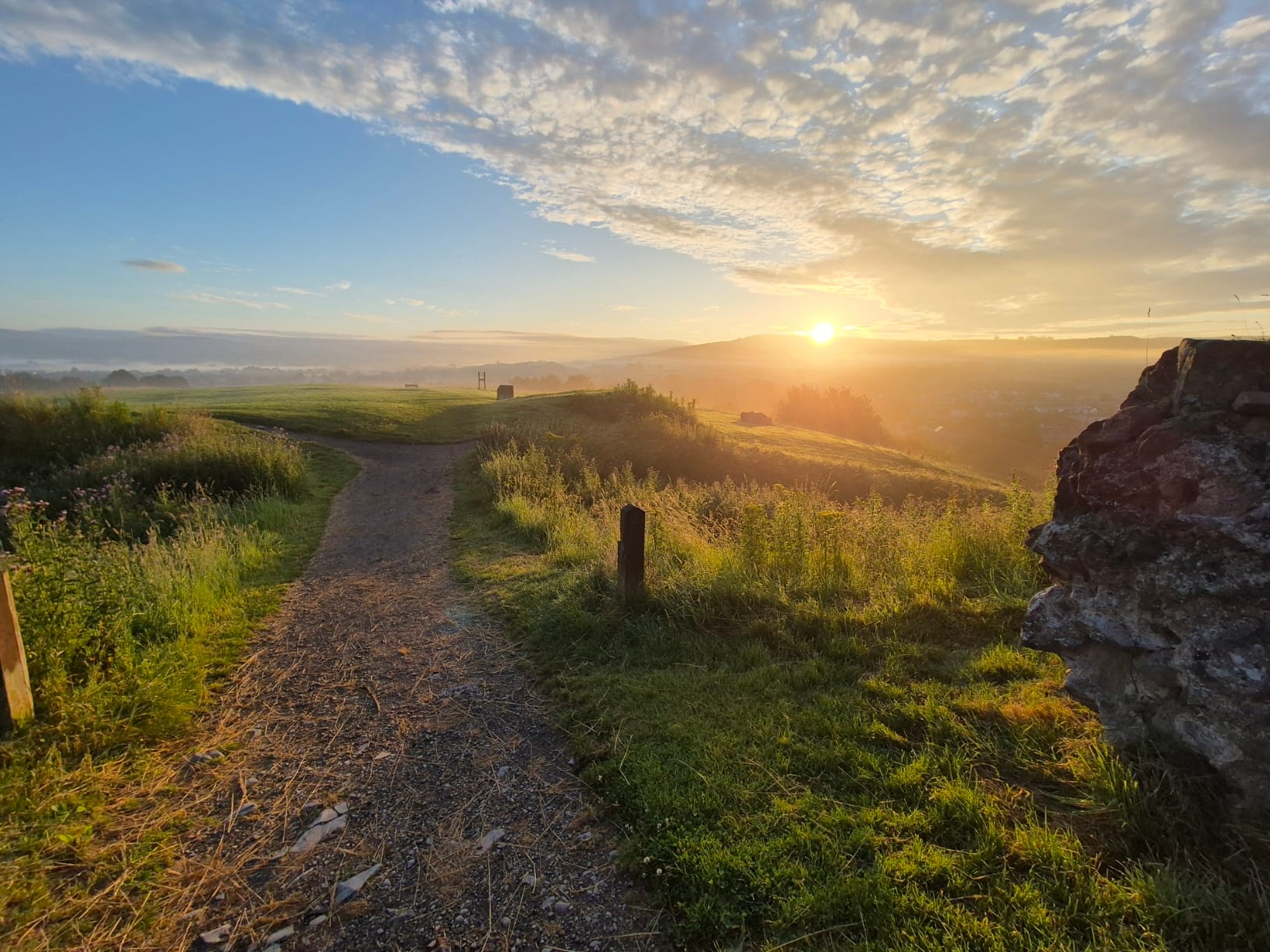
TIME: I spent about 1 hour 45 minutes here but I was waiting for the sunrise to get some nice photos so the site itself probably only needs 30-45 minutes. Combined with a walk up I would set aside 1 hour but it would also be a really good place for a picnic and/or a bit of outside time.
ABILITY: The inital path I took into the Castle grounds had a set of stairs but there was room to the side of the stairs although it is fairly steep. The paths after the first set of stairs are all ramp-style however they can be quite steep and narrow in parts so I wouldn't recommend for crutches or wheelchairs. That said, there are other paths into the castle grounds from what I could see and some of those might be more accessible then the entrance I took which was off (ironiclly) Parr Street.
Getting into the castle itself, over a little bridge and through some rocks, and climbing over the ruins and up the tower would not be possible for everyone unfortunately.
FACILITIES: Signage. Audio trail if you have an acceptable Wi-Fi connection although you can download the trail before hand at the following <https://visit-kendal.co.uk/see-and-do/kendal-castle-and-heritage/kendal-castle/>