Carlisle Cathedral
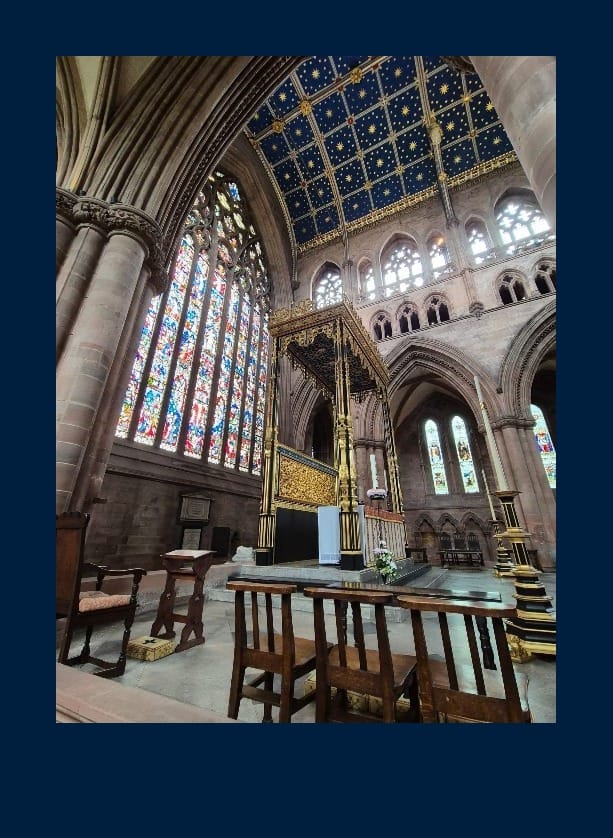
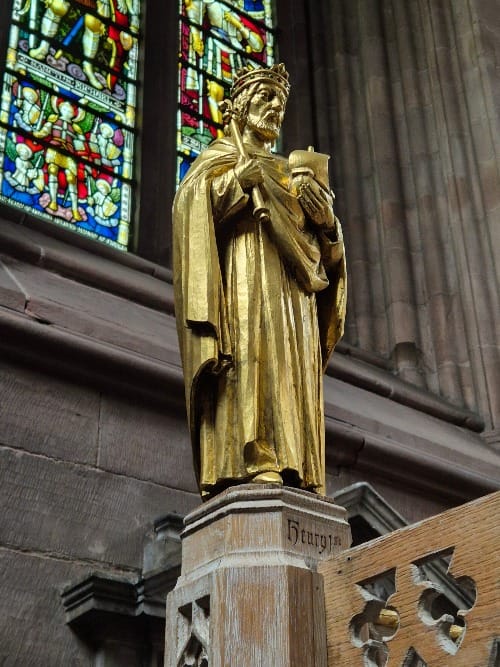
When the Romans first arrived in Cumbria, Christianity was still a persecuted religion. However, through the centuries, the Christian tradition was started by the Romans then continued by the Vikings. The local diocese was established in 1133 by Henry I in attempts to settle the ever-fluid Cumbrian border with Scotland.
The Norman Romanesque architecture can still be seen in parts although Early English/Gothic became quite popular.
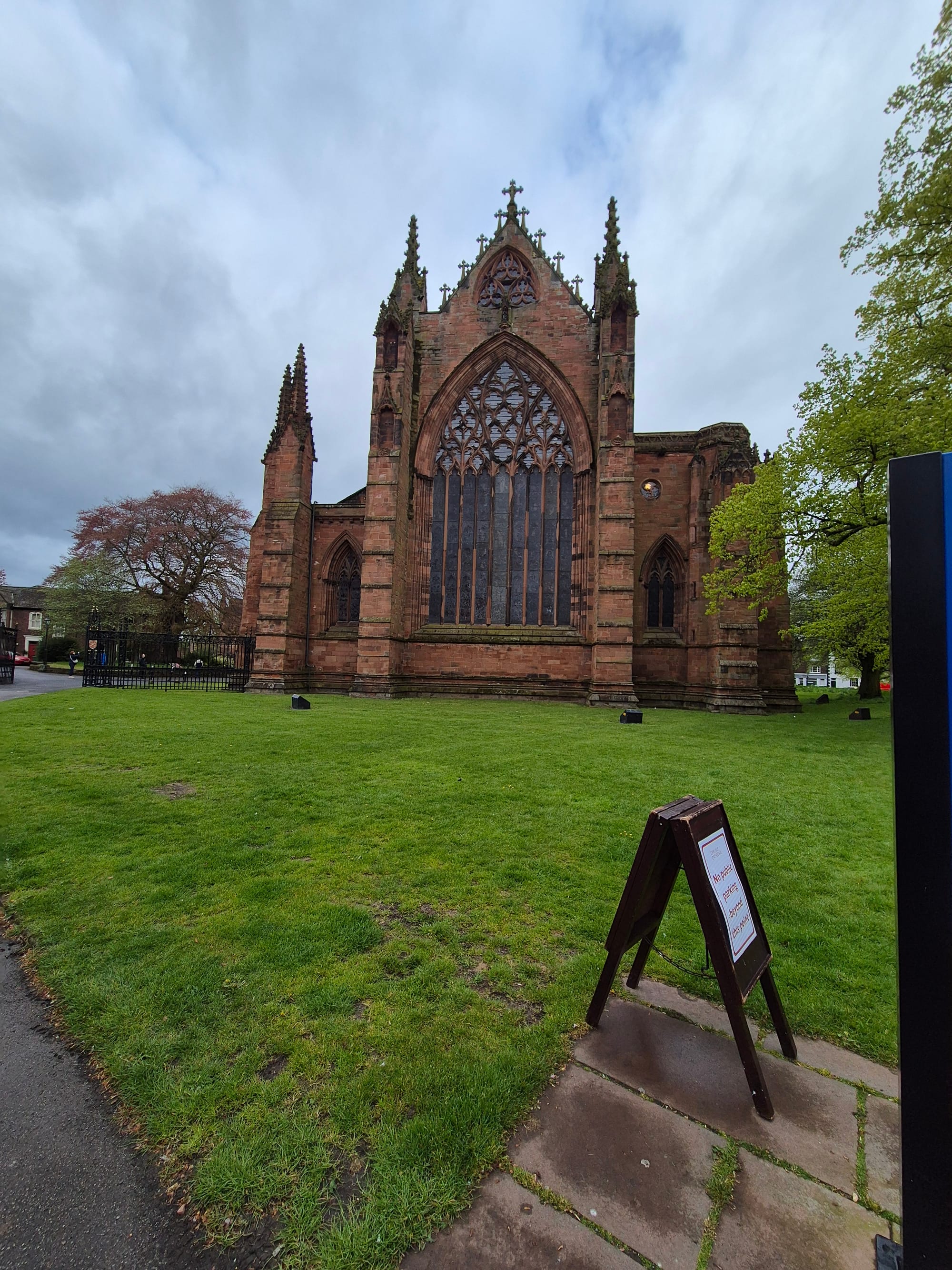
In 1292, the Cathedral and other wooden structures in the town burnt down laying the way for the 14th century featuring wars with Scotland, attempts at rebuilding, but a lack of labour (and clerics) due to ongoing bouts of plague.
The Cathedral spent a large part of the 15th century benefitting from the growing break with Continental Christendom via a boom in English nationalism. The trials of the Wars of the Roses didn't seem to leave much of a mark (in fact, Richard III when he was Warden of the Western Marches is remembered quite fondly) however under the Tudors, things changed.
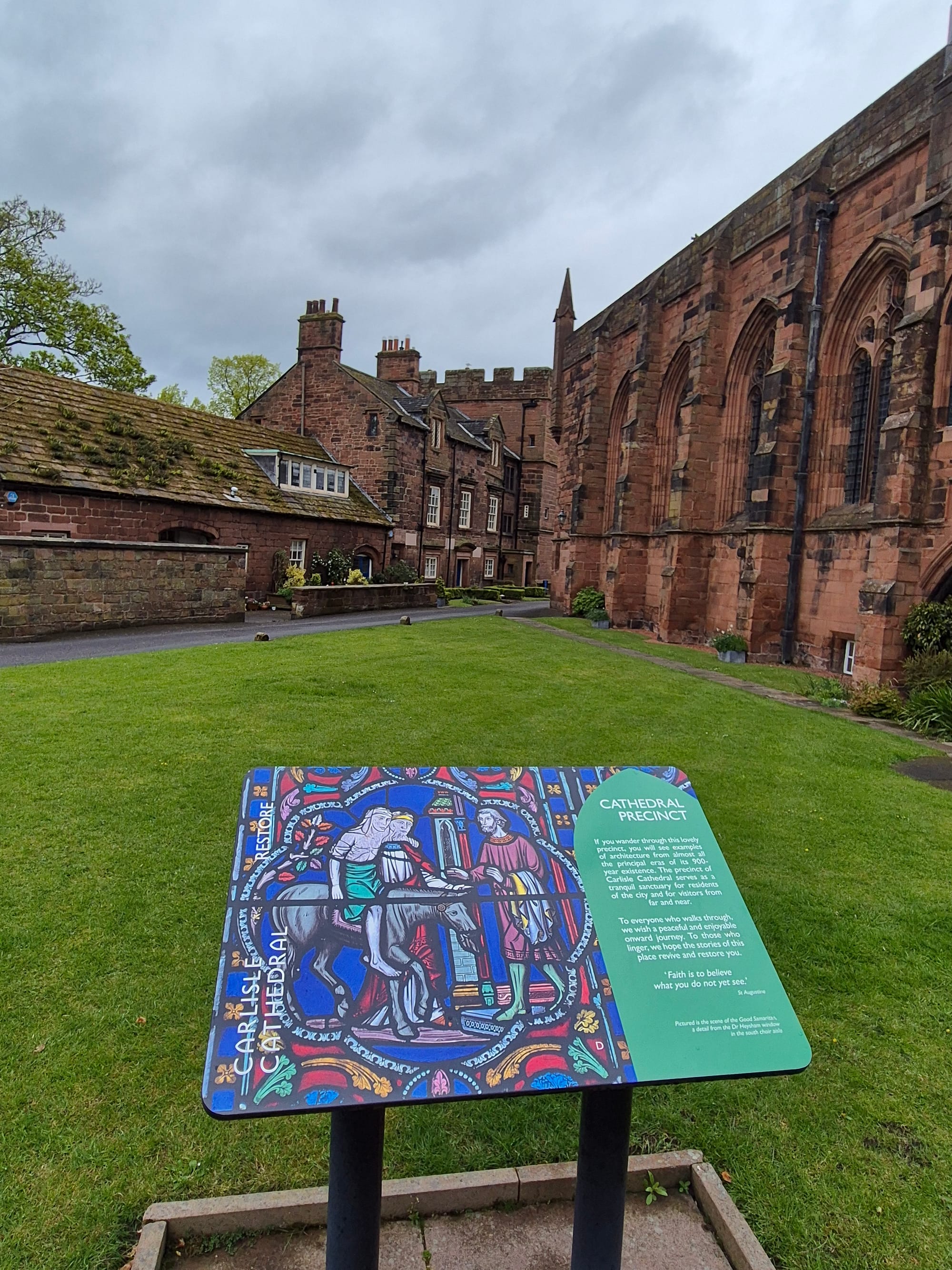
The 1500's and the Tudor dynasty saw many dramatic changes to the Church. Henry VIII and Thomas Cromwell perpetrated the Reforms that led to many Catholic monastic houses being shut down. Whilst Carlisle Cathedral itself was left untouched physically, the nearby Priory and parishes were not so fortunate.
Henry's children flip-flopped between denominations which meant clergy was released and hired frequently with almost no possibility of continuity of faith for the faithful. The Church remained largely unstable throughout the 17th century as well, with Oliver Cromwell and his Presbyterianism, then the ousting of the Catholic James II to place the Hanoverians on the throne.
Ultimately, this helped the Cathedral as Queen Anne gave a Bounty, restoring payments to the Church not seen since Henry VIII, although those payments had gone to the Pope then Henry himself, bypassing the churches altogether.
In 1856, the diocese was finally expanded, having needed it for decades but one Bishop Hugh Percy refused due to being an old-school conservative objecting to change (not entirely JUST my words). The rise of scientific endeavour was the next challenge to the Church however Carlisle, and Cumbria as a whole, benefitted from local poets who were Church positive, and more recently an old "Celtic" spirituality being embraced - that being the connection to older Roman/early English Christianity, connecting regional heritage to faith.
The Treasury that sits a level below the main Cathedral is where most of this information was gathered. The Treasury houses items from nearby parishes as well as itself - keeping them safe whilst also displaying them. Surrounding the items which are in glass cases in the middle of the room, are informational banners in chronological order. For information sponsored by a Church society, I found it refreshingly upfront about challenges to the Church. There were some small disputes I would have with the facts presented but only because I have an interest in it - nothing was inherently wrong and was overall quite good and a lot more than I expected.
TIME: About 1 hour to walk around the outside and inside. If you want to go in depth and read the history panels in the Treasury, probably add another 15-30 minutes.
ABILITY: The Treasury has stairs leading downwards however there looked to be wheelchair access that you cna speak to staff about althought the pace downstairs isn't very big. Otherwise, everything is flat and accessible.
FACILITIES: Cafe on site. Staff and brochures available.